Cognitive Behavioral Therapy Workbook: A Tool for Mental Health and Personal Growth
The Cognitive Behavioral Therapy Workbook is a comprehensive resource designed to help individuals navigate their thoughts, emotions, and behaviors through structured exercises and reflective prompts. With 106 pages of carefully curated content, this workbook serves as a self-guided therapeutic companion that is both research-backed and user-friendly. Whether you are a mental health professional, a self-help seeker, or someone looking to improve your emotional well-being, this tool can be an invaluable addition to your personal or professional toolkit.
Understanding the Cognitive Behavioral Therapy Workbook
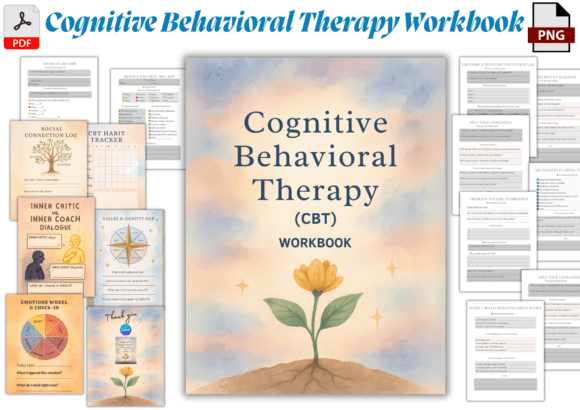
Cognitive Behavioral Therapy (CBT) is a widely recognized form of psychotherapy that focuses on identifying and changing negative thought patterns and behaviors. The Cognitive Behavioral Therapy Workbook translates these principles into actionable exercises that can be completed independently. It includes a variety of worksheets and tracking tools such as mood emotion trackers, cognitive distortions worksheets, and behavioral activation plans. These elements are organized in a way that makes it easy for users to engage with the material consistently and effectively.
The workbook is designed with a calming layout and clear sections, making it accessible for people of all ages and backgrounds. Its high-quality printable format ensures that users can work through the content at their own pace without the need for digital distractions. Additionally, the inclusion of Canva editable templates allows for customization, which can be especially useful for educators, coaches, and therapists who want to tailor the workbook to specific client needs.
Integrating the Workbook Into Your Workflow
The Cognitive Behavioral Therapy Workbook is not just a standalone resource—it can be integrated into various aspects of daily life and professional workflows. For instance, during a creative project, it can help manage stress and maintain focus by encouraging mindfulness and self-reflection. When working on a business workflow, the workbook’s habit trackers and behavioral activation plans can support goal-setting and productivity.
For professionals such as teachers, school counselors, or mental health coaches, the workbook can serve as a valuable tool for both personal development and client support. It can be used as part of therapy sessions or as a supplementary resource for clients who prefer self-directed learning. Similarly, freelancers and entrepreneurs may find the workbook useful for managing anxiety related to decision-making or project management.
When implementing the Cognitive Behavioral Therapy Workbook, preparation is key. Start by identifying specific goals or areas of concern—whether it's managing anxiety, improving mood regulation, or building healthier habits. Once these goals are clear, choose the relevant sections of the workbook that align with them. For example, if you're dealing with negative self-talk, the inner critic vs. inner coach reframes section can be particularly helpful.
Practical Use Cases and Implementation Tips
The Cognitive Behavioral Therapy Workbook is versatile and can be used in multiple stages of a process. Before starting a new project, using the workbook’s mood emotion tracker can help establish a baseline for emotional awareness. During the execution phase, thought records and cognitive distortions worksheets can assist in identifying and challenging unhelpful thinking patterns. After completing a task, reflection sheets and behavioral activation plans can reinforce positive outcomes and encourage continued growth.
One effective strategy is to set aside dedicated time each week to work through the workbook. This could be done in short, focused sessions rather than long, infrequent ones. Consistency is important for reinforcing new habits and insights. Pairing the workbook with other tools such as journaling apps or meditation practices can also enhance its effectiveness.
For those who prefer digital formats, the workbook’s PDF and PNG options make it easy to access on mobile devices or computers. The Canva template link allows for further customization, ensuring that the content remains relevant and engaging over time. This flexibility makes the Cognitive Behavioral Therapy Workbook suitable for both offline and online use.
Collaboration and Compatibility
The Cognitive Behavioral Therapy Workbook is designed to complement other therapeutic approaches and resources. It can be used alongside traditional therapy sessions, coaching programs, or self-help books. For professionals, it can be incorporated into treatment plans as a homework assignment or as a tool for client engagement.
When working with clients, consider how the workbook can be adapted to meet individual needs. Some clients may benefit from more structured guidance, while others may prefer a more open-ended approach. The workbook’s modular design allows for this level of customization, making it a flexible resource for a wide range of users.
Additionally, the workbook can be used in conjunction with other digital platforms such as mood-tracking apps, productivity tools, or mental health forums. This integration can create a more holistic approach to mental health management, supporting both personal and professional growth.
Long-Term Use and Sustainability
One of the strengths of the Cognitive Behavioral Therapy Workbook is its ability to support long-term mental health maintenance. Regular use of the workbook’s weekly reflection sheets and habit trackers can help users develop a consistent routine that promotes emotional resilience and self-awareness.
To ensure sustainability, it’s important to evaluate progress periodically and adjust the workbook’s usage as needed. This might involve revisiting certain sections, introducing new exercises, or incorporating feedback from others. Maintaining a balance between structure and flexibility will help keep the workbook relevant and effective over time.
For those who are interested in sharing the workbook with others, the included Canva templates and printable options make it easy to create customized versions for different audiences. This feature is especially beneficial for educators, coaches, and small business owners who want to offer the workbook as a resource to their clients or community members.
Conclusion
The Cognitive Behavioral Therapy Workbook is more than just a collection of exercises—it’s a powerful tool for personal transformation and mental well-being. By integrating it into your workflow, whether for personal growth or professional support, you can take control of your thoughts, regulate your emotions, and build healthier habits. With its user-friendly design, research-backed content, and adaptability, this workbook is a valuable asset for anyone committed to improving their mental health and overall quality of life.