Eating Disorder Recovery: A Comprehensive Guide to Healing and Empowerment
Eating disorders are complex mental health conditions that affect millions of people worldwide. They can have severe physical, emotional, and psychological consequences if left untreated. Eating Disorder Recovery is a critical process that involves understanding the root causes of disordered eating behaviors, developing healthy coping mechanisms, and rebuilding a positive relationship with food and body image. This guide explores what Eating Disorder Recovery entails, its key components, and how it can be effectively supported through tools like the Eating Disorder Recovery Planner.
Understanding Eating Disorder Recovery
Eating Disorder Recovery refers to the journey of healing from an eating disorder, which may include conditions such as anorexia nervosa, bulimia nervosa, binge-eating disorder, or other specified feeding or eating disorders (OSFED). The recovery process is not linear; it often involves setbacks and progress, but with consistent support and self-compassion, individuals can achieve lasting change.
The primary goal of Eating Disorder Recovery is to restore physical health, emotional well-being, and a balanced approach to eating. It requires addressing both the symptoms and underlying psychological factors that contribute to disordered eating behaviors. This includes working with healthcare professionals, therapists, and support groups to create a personalized recovery plan.
What Makes Eating Disorder Recovery Worth Discussing?
Eating Disorder Recovery is worth discussing because it directly impacts an individual's quality of life. It affects not only personal health but also relationships, work performance, and overall happiness. Open conversations about recovery help reduce stigma, encourage early intervention, and foster a supportive environment for those in need.
Moreover, the importance of Eating Disorder Recovery extends beyond the individual. It influences families, communities, and society at large. By raising awareness and promoting education, we can create a culture that prioritizes mental health and supports those struggling with eating disorders.
Key Components of Eating Disorder Recovery
Effective Eating Disorder Recovery is built on several foundational elements:
- Medical Evaluation: A thorough assessment by a healthcare provider to identify any physical complications and determine the appropriate treatment plan.
- Therapeutic Support: Engaging in therapy, such as cognitive-behavioral therapy (CBT), dialectical behavior therapy (DBT), or family-based therapy, to address emotional and behavioral patterns.
- Nutritional Guidance: Working with a registered dietitian to develop a balanced meal plan that meets nutritional needs while promoting a healthy relationship with food.
- Social Support: Building a strong support network of friends, family, and peers who understand and encourage the recovery journey.
- Self-Awareness: Practicing mindfulness and self-reflection to recognize triggers, emotions, and thoughts that may lead to disordered eating behaviors.
These components work together to create a holistic approach to recovery, ensuring that all aspects of an individual’s well-being are addressed.
The Role of the Eating Disorder Recovery Planner
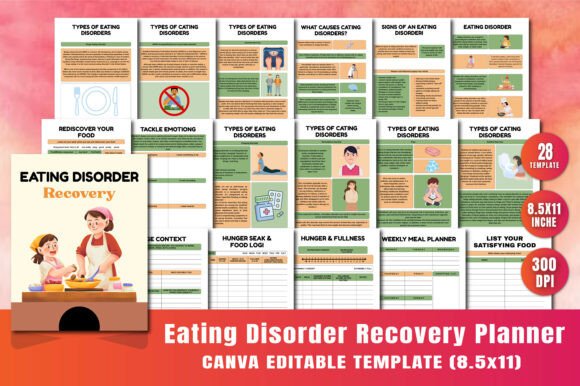
The Eating Disorder Recovery Planner serves as a valuable tool in supporting the recovery process. It provides a structured framework for tracking progress, setting goals, and maintaining consistency in daily habits. This planner is designed to be both practical and customizable, making it suitable for a wide range of users.
One of the key strengths of the Eating Disorder Recovery Planner is its comprehensive content. It includes sections such as:
- Types of Eating Disorders: A clear overview of different eating disorder types, helping users understand their condition better.
- Weekly Meal Planner: A flexible schedule for planning meals and snacks, promoting mindful eating and regular intake.
- Food Tracker: A space to record food consumption, hunger levels, and feelings associated with eating.
- Hunger Scale: A visual tool to assess and manage hunger cues, aiding in the development of intuitive eating skills.
- To-Do List: A section for listing daily tasks, appointments, and self-care activities to maintain structure and accountability.
- Notes Pages: Space for journaling, reflections, and personal insights throughout the recovery journey.
These features make the planner an essential resource for anyone committed to long-term recovery. It encourages self-awareness, accountability, and gradual progress toward healthier habits.
Who Benefits Most from Eating Disorder Recovery?
Eating Disorder Recovery is particularly beneficial for individuals who have been diagnosed with an eating disorder or are experiencing symptoms that interfere with daily life. It is also useful for those who suspect they may be at risk for developing an eating disorder and want to take proactive steps toward prevention.
Professionals in the mental health field, such as therapists, dietitians, and counselors, may also find value in the Eating Disorder Recovery Planner as a tool to support their clients. Additionally, educators, coaches, and support group facilitators can use the planner to create resources for others in need.
Practical Considerations and Limitations
While the Eating Disorder Recovery Planner offers numerous benefits, it is important to recognize its limitations. It is not a substitute for professional medical or therapeutic care. The planner should be used in conjunction with guidance from qualified healthcare providers to ensure safe and effective recovery.
Another consideration is the level of commitment required. Using the planner consistently demands time, effort, and self-discipline. Individuals must be willing to engage with the material regularly and reflect on their progress. For some, this may be challenging, especially during periods of relapse or emotional distress.
Despite these limitations, the planner remains a powerful tool when used appropriately. Its flexibility allows users to adapt it to their specific needs, making it a versatile resource for various stages of recovery.
Conclusion
Eating Disorder Recovery is a vital process that requires dedication, support, and the right tools. The Eating Disorder Recovery Planner is one such tool that can significantly aid in the journey toward healing. With its comprehensive content, customizable design, and practical features, it offers a structured yet flexible approach to managing and overcoming eating disorders.
Whether you are an individual seeking recovery, a professional supporting others, or simply someone interested in learning more about eating disorders, this planner can be a valuable asset. By using it alongside professional guidance and a strong support system, you can take meaningful steps toward a healthier, more fulfilling life.