Meal Planner for 2026: A Year-Round Guide to Healthy Eating
In a world where time is a precious commodity and health goals often take a backseat, having the right tools can make all the difference. Meal Planner for 2026 is designed to help individuals of all backgrounds—whether you're a busy professional, a working parent, or someone just starting on their wellness journey—organize meals, track progress, and build sustainable eating habits throughout the year.
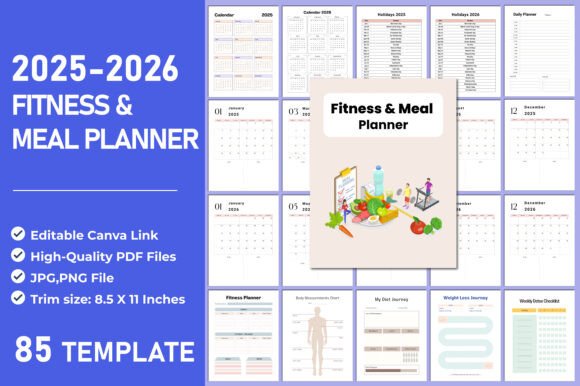
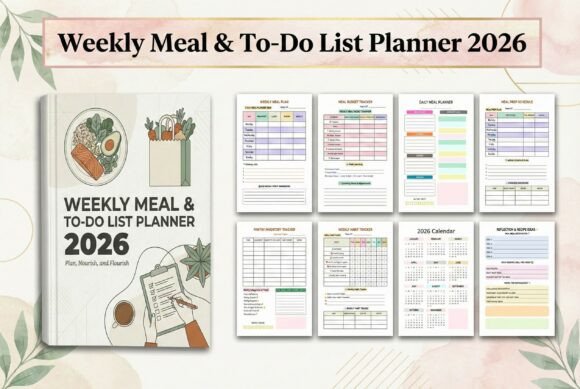
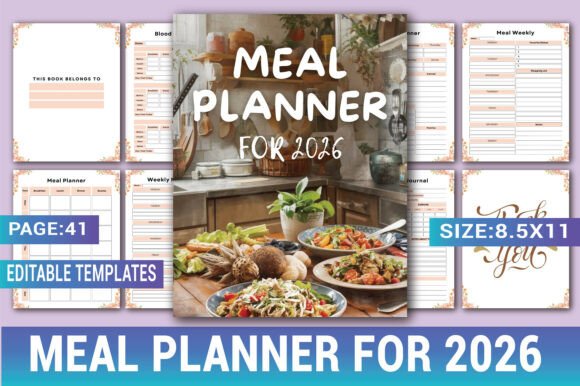
With its comprehensive features, this planner goes beyond simple meal lists. It includes monthly calendars, weekly and daily planners, food journals, recipe logs, grocery lists, and health trackers. These elements work together to create a structured yet flexible system that supports your nutritional needs and lifestyle preferences. But like any tool, it’s important to understand how to use it effectively to avoid common pitfalls that could undermine your results.
Understanding the Key Features of Meal Planner for 2026
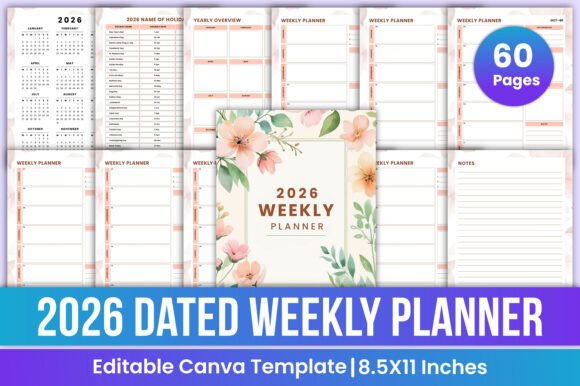
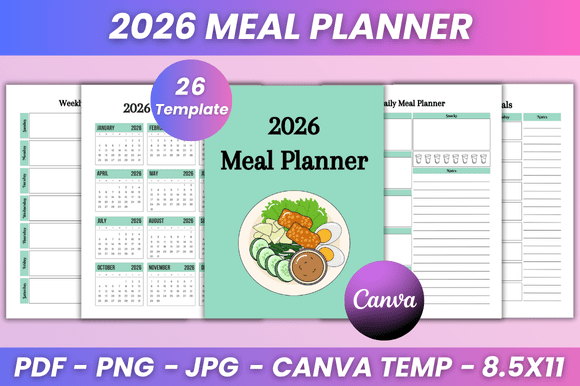
Meal Planner for 2026 is more than just a calendar—it's a complete resource tailored for long-term planning. The full-year calendar allows you to map out your meals months in advance, which helps reduce last-minute decisions and ensures consistency. Monthly meal planning pages provide dedicated space to set goals and plan specific dishes, while weekly layouts break down each day into manageable portions for breakfast, lunch, dinner, and snacks.
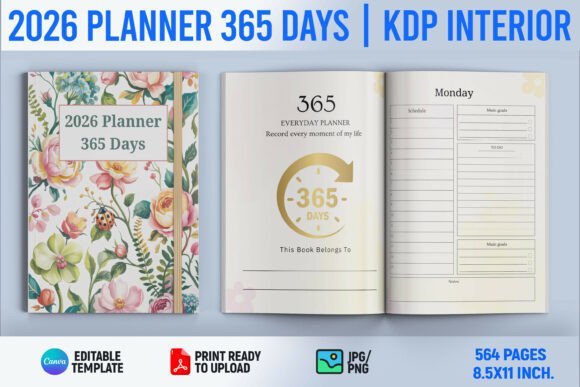
The daily diet food journal is a powerful tool for tracking progress. By recording meals, calories, water intake, exercise, and notes, you gain valuable insights into your eating patterns and overall well-being. Grocery list sections are organized by category, making shopping more efficient and reducing waste. The recipe journal encourages creativity and experimentation, helping you build a personalized collection of favorite meals and ideas.
Common Mistakes When Using Meal Planner for 2026
Even with a great tool like Meal Planner for 2026, users may overlook certain aspects that can impact their experience. One common mistake is failing to customize the planner to fit individual needs. Many people try to follow a one-size-fits-all approach, which can lead to frustration and disengagement. For example, if you're vegetarian, using a planner designed for omnivores might not align with your dietary requirements or preferences.
Another frequent error is underutilizing the food journal feature. Some users skip tracking their meals altogether, missing out on the opportunity to identify trends and areas for improvement. Without consistent tracking, it's easy to lose sight of progress or become overwhelmed by changes in routine.
Additionally, many people neglect the importance of flexibility. While structure is essential, being too rigid can lead to burnout. If you find yourself constantly adjusting plans due to unexpected events, consider incorporating buffer days or alternative meal options into your schedule.
How to Avoid These Mistakes and Use Meal Planner for 2026 Effectively
To maximize the benefits of Meal Planner for 2026, start by personalizing it to suit your lifestyle. Take time to review each section and adjust it based on your dietary needs, preferences, and goals. For instance, if you're a vegan, allocate extra space for plant-based recipes and ensure that your grocery lists reflect those choices.
Tracking is another key element to prioritize. Set aside a few minutes each day to update your food journal. This habit not only keeps you accountable but also provides data that can be used to refine your approach over time. Consider using the notes section to reflect on what worked well and what could be improved.
Lastly, embrace flexibility. Life is unpredictable, and your meal plan should adapt accordingly. Instead of viewing deviations as failures, see them as opportunities to learn and grow. If you miss a planned meal, use the planner to adjust your schedule rather than abandoning it entirely.
What to Check Before Using Meal Planner for 2026
Before committing to Meal Planner for 2026, there are several factors to consider. First, assess whether the planner aligns with your specific goals. Are you looking to lose weight, maintain a healthy lifestyle, or simply streamline your grocery shopping? Ensure that the planner offers the necessary tools to support your objectives.
Next, evaluate the layout and usability. A well-organized planner should be intuitive and easy to navigate. Look for clear headings, ample space for notes, and logical categorization of sections. If the design feels cluttered or confusing, it may hinder your ability to use it effectively.
Finally, consider the format and accessibility. Is the planner available in print or digital format? Does it offer customization options? Choosing the right version ensures that you can use it comfortably in your preferred setting—whether at home, in the office, or on the go.
Conclusion
Using Meal Planner for 2026 can be a game-changer for anyone looking to improve their eating habits and overall health. However, success depends on understanding how to use the tool effectively and avoiding common mistakes. By customizing your approach, tracking your progress, and embracing flexibility, you can unlock the full potential of this planner and achieve your wellness goals with confidence.